

Alcohol also becomes dangerous when prescription anxiety medication is involved. Serious side effects, some of which may be life-threatening, can occur when alcohol mixes with the chemicals in pharmaceuticals. It’s extremely important to be honest with your doctor if you are using both anxiety medication and alcohol. Alcohol quickly shifts from helping to harming because, despite its temporary ability to lower anxiety, it isn’t truly an anxiety treatment. Genuine anxiety treatments work with your mind and body to systematically lower anxiety as well as help you cope with it.
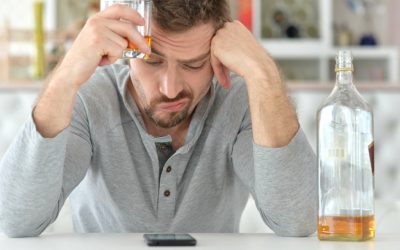
What the alcohol-anxiety relationship looked like in my life:
For many individuals entering our luxury addiction treatment center, alcohol use and anxiety go hand-in-hand. Alcohol is a central nervous system depressant that disrupts your brain’s balance and can affect feelings, thoughts, and actions. It is an anxiolytic, meaning it may relieve anxiety symptoms.2 Although it’s effective, the results are very short-lived. Every time you drink, alcohol triggers an increase in the production of insulin. This increase can lead to a drop in your blood sugar (glucose) levels, and when this is too low it is known as hypoglycaemia.
How to Stimulate the Vagus Nerve and Calm Your Nervous System
It’s possible to have anxiety after drinking alcohol without having an anxiety disorder. Anxiety disorders are a https://marsikpvt.com/a-goodbye-letter-to-drugs-addiction/ potential comorbidity of alcohol use disorder (AUD). People with AUD may have a higher risk of developing an anxiety disorder. A 2022 longitudinal study highlights a bidirectional relationship between AUD and anxiety disorders.
Find a healthcare provider
Instead of alcohol, consider talking to a mental health professional about effective anxiety management options, which may include psychotherapy and medication. Unfortunately, anxiety disorders and alcohol abuse have a dark, cyclical nature. Having an anxiety disorder increases the risk of developing alcohol dependence.
This cycle can be hard to break and can make you feel more anxious. There isn’t one clear answer to this question, as several factors can play a role in whether someone experiences hangover-related anxiety. While for some people, it’s mild nerves, for others, it’s a wave of anxiety that feels impossible to ride out. The «Sunday scaries» may make you feel panicked, filled with dread and unable to relax. The duration of alcohol-induced anxiety varies from person to person. For some, it may only last until the alcohol is metabolized, while for others, it can last for several days.
- Only a qualified healthcare professional can diagnose an alcohol use disorder or an anxiety disorder.
- Heavy drinking also disrupts your sleep quality, and poor sleep is a major risk factor for anxiety.
Next PostSchizophrenia and Alcohol: What’s the Relationship?
However, the relaxed feelings can quickly wear off and turn into feelings of anger, depression, or anxiety. More research is required before an adequate answer can be produced. Only one notable study of COA’s has demonstrated a higher-than-expected risk for these major psychiatric disorders. However, as pointed out by Kushner (1996), larger studies of COA’s who have passed the age of risk for most disorders will need to be conducted before final conclusions can be drawn.
Emotional signs include chronic worry, irritability, and difficulty concentrating. Halfway house Panic attacks8 (a hallmark of anxiety disorders) might also become more frequent. If these symptoms worsen with alcohol use or persist even when you’re sober, it may be time to seek professional help. While alcohol’s drowsiness-inducing effects might help you fall asleep, it negatively impacts your sleep quality throughout the night.
Understanding the Impact of Alcohol on Mental Health
Unfortunately, alcohol doesn’t have the alcohol cause anxiety power to erase any underlying stressors or triggers. Whether an individual’s anxiety is related to financial stress, past trauma, or untreated depression, alcohol serves as simply a temporary band-aid. Get support for anxiety, and achieve a calmer mindset with therapy covered by most insurance plans. Sana at Stowe offers an unparalleled level of trauma-informed, evidence-based care in one of the most beautiful destinations for healing.
How Alcohol Can Cause Anxiety Disorders: The Science
If you know someone who has a problem with alcohol, please do what you can to support them in getting sober. Dove Recovery in Columbus, OH, is a great resource with a variety of treatment options. Alcohol can have a negative impact on relationships, as you may unintentionally isolate yourself from relationships that are good for you. You may also find yourself increasingly cut off from friends and family due to your behaviors while under the influence. Social withdrawal can exacerbate the symptoms of anxiety and depression. Depression is a serious condition that should be treated by a mental health professional.