


But what about miscellaneous expenses that don’t fit neatly into any specific category? While they may seem minor, these costs can add up quickly, and if not tracked properly, they can cause headaches at tax time. Miscellaneous expenses encompass a broad range of non-recurring, variable costs that do not neatly fit into standard categories of financial accounting. These are the expenditures that arise outside the regular scope of operational costs or personal spending plans. They can include small-scale ad hoc purchases, such as office supplies, minor repairs, or impromptu business-related expenses. In personal finance, these might be unexpected outlays for household items or one-off entertainment expenses.
How to Stay Consistent With Your Budget—Even When Life Gets Messy
Let’s say you get the water bill, and it’s a little more than expected. Just move some money from the miscellaneous category to the utilities category. How much you budget for personal money each month depends on your income and Baby Step. If you’re saving up an emergency fund or paying off debt, make sure your fun money is low enough to help you get to your goals quickly. But give yourself (and your spouse, if you’re married) at least something to spend on whatever you want each month. Even though I budget for a certain amount of miscellaneous expenses, it seems like this amount always ends up being larger than what I was expecting it to be.
What You Need to Know About Bank Identification Numbers (BINs)
While these expenses may be irregular or infrequent, they still play a vital role in daily operations. Making informed decisions is a crucial factor in any successful business. Keeping track of miscellaneous expenses is a good https://astropharma.com/bookkeeper-jobs-in-california-hiring-now/ way for owners and managers to understand their financial situation, which is important for making smart decisions.
Home office supplies
- Basically, if you don’t have one yet, you need to cut back on any extras—so you can get intentional and intense about building your savings—until your emergency fund is full.
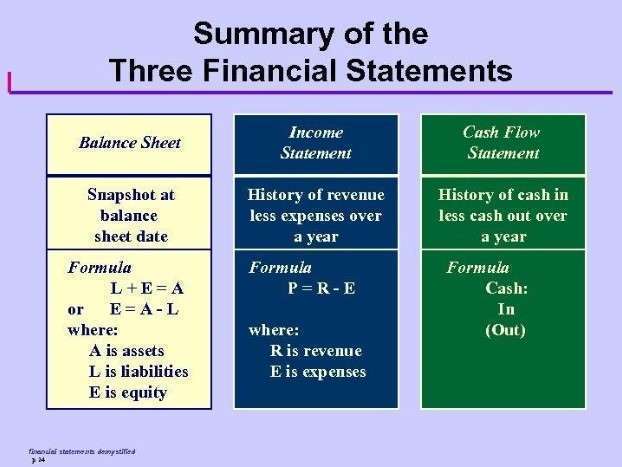
- Miscellaneous expense category is often recorded under general and administrative cost in the income statement to provide a full picture of operational spending.
- So, businesses can benefit from incorporating a cushion for miscellaneous expenses into the overall budget to avoid costly surprises that impact the bottom line.
- Coast gives fleet businesses the tools to bring order to the chaos, making it easy to manage ad-hoc spending without sacrificing control or visibility.
- For tax purposes, it’s especially important to separate business and personal expenses.
- A line item with the miscellaneous expense designation is commonly used in the income statement, and aggregates the amounts of several minor expense accounts.
- As we mentioned above, this typically includes labor costs, materials, and overhead expenses that businesses have budgeted for a given quarter or year.
Tax treatment of miscellaneous expenses has changed significantly, especially for individuals. The Tax Cuts and Jobs Act (TCJA) of 2017 suspended most miscellaneous itemized deductions for individual taxpayers from 2018 through the end of 2025. This means expenses like unreimbursed employee business expenses, tax preparation fees, and certain investment expenses are generally no longer deductible for individuals during this period. For individuals, though tax deductibility has changed, the concept still applies to personal budgeting.
- For the purpose of being thorough, I will list many sources of income in this article but never depend on income that is not guaranteed.
- Only those that are ordinary, necessary, and directly related to your business may qualify for a full or partial deduction under IRS rules.
- You can further plan this spending by identifying expenses that occur monthly and the ones that occur yearly.
- Tools and supplies refer to items that are necessary for the operation of your services, such as small tool expenses, and can be categorised as miscellaneous expenses.
- It’ll note new expenses, import them into your account, and help you streamline your bookkeeping by categorizing the expenses for you.
- By keeping track of these costs correctly, businesses can make sure they have a clear picture of their finances and how they are doing over time.

Careful attention to this underutilized tax break can result in money back on an itemized tax return. The reason that this sum is often nominal is because most tax write-offs fall within certain boundaries. The classification of miscellaneous expenses differs from country to country, but one of the most common on any return is money paid as union dues.
- For businesses, miscellaneous expenses encompass small, non-recurring operational costs.
- If you have a home office, deduct interest on your home mortgage as an expense related to the business use of your home.
- Think about the coffee for your team’s brainstorming session, the Grab ride to meet a client, or that one-time software you bought to convert a weird file format.
- The Vyapar app simplifies managing miscellaneous expenses with smart tools designed for Indian business owners.
- Miscellaneous expenses are incidental, small costs that arise in the course of running a business or managing personal finances.
If you look at the Consumer Expenditure Survey, you’ll find that all consumer units spent an average of $680 per month on food, including groceries and food away from home. The miscellaneous classification doesn’t affect deductibility, but good documentation is essential to support the business purpose. Set a miscellaneous expense threshold of 3-5% of your operating budget, with automatic reviews triggered if this percentage creeps higher.
Small equipment purchases, like a computer mouse, desk lamp, calculators, and desktop shredders, can be classified as miscellaneous expenses. Unexpected or emergency expenses the business incurs can be classified as miscellaneous expenses. As we mentioned above, this typically includes labor costs, materials, and overhead expenses that businesses have budgeted for a given quarter or year. Accountants refer to miscellaneous expenses as any expense that is non-recurring and outside of standard expense categories. Like any other type of expense, miscellaneous expenses result in a cash outflow for the business, which impacts its overall performance. In this guide, we’ll explain HOA Accounting what miscellaneous expenses are and provide some common examples and best practices for managing them.
Fees for business checking accounts, wire transfers, and even credit card processing can count. Just be sure to clearly differentiate personal vs. business bank accounts. These officials can deduct work-related expenses incurred in performing their official duties. Examples include supplies, travel for official business, or miscellaneous spending other costs directly related to their work as public officials. These losses qualify as casualty theft losses, which are claimable on Form 4684 as miscellaneous business expenses.

How to Implement Expense Policies That Actually Work
Businesses need to see these costs more clearly so that they can manage their money better. These expenses can help companies identify the areas of potential growth or cost savings. Also known as sundry, out-of-pocket, general or incidental expenses, different companies refer to miscellaneous costs differently depending on the industry and context. Any expenses that fall out of these defined categories are typically considered miscellaneous expenses. Miscellaneous expenses are unexpected, minor costs not included in your regular budget, like small repairs or office supplies. In the U.S., this limitation means that only anything more than 2% of the payer’s adjusted gross income is eligible to be deducted.